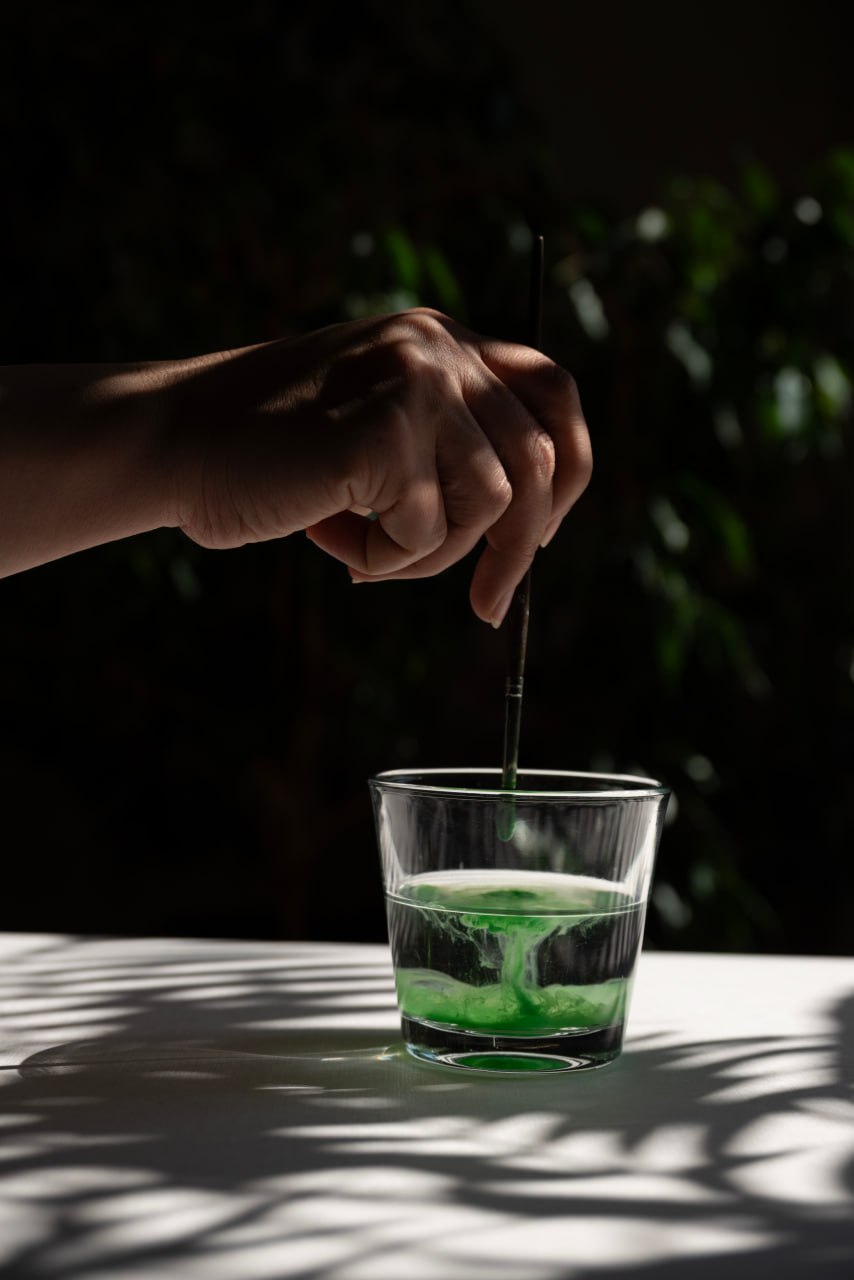
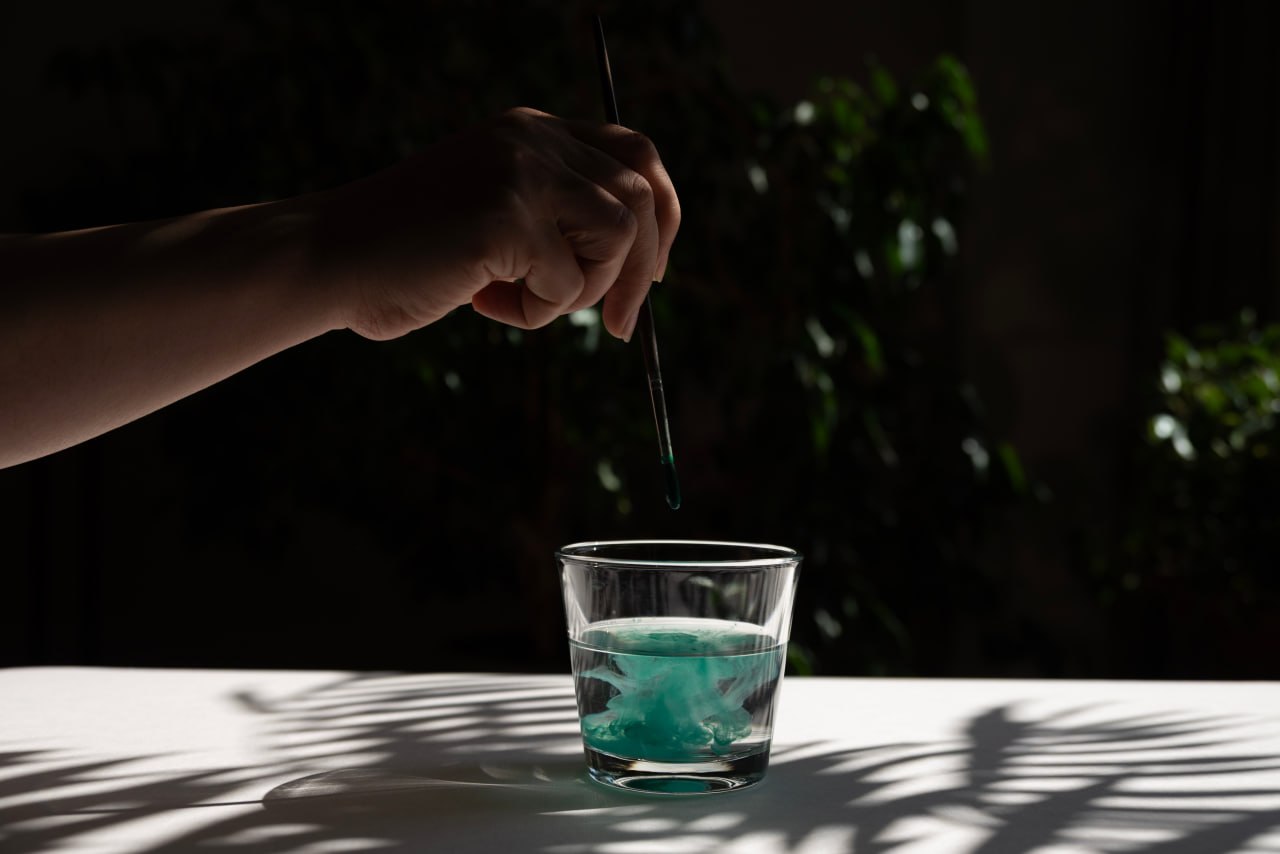
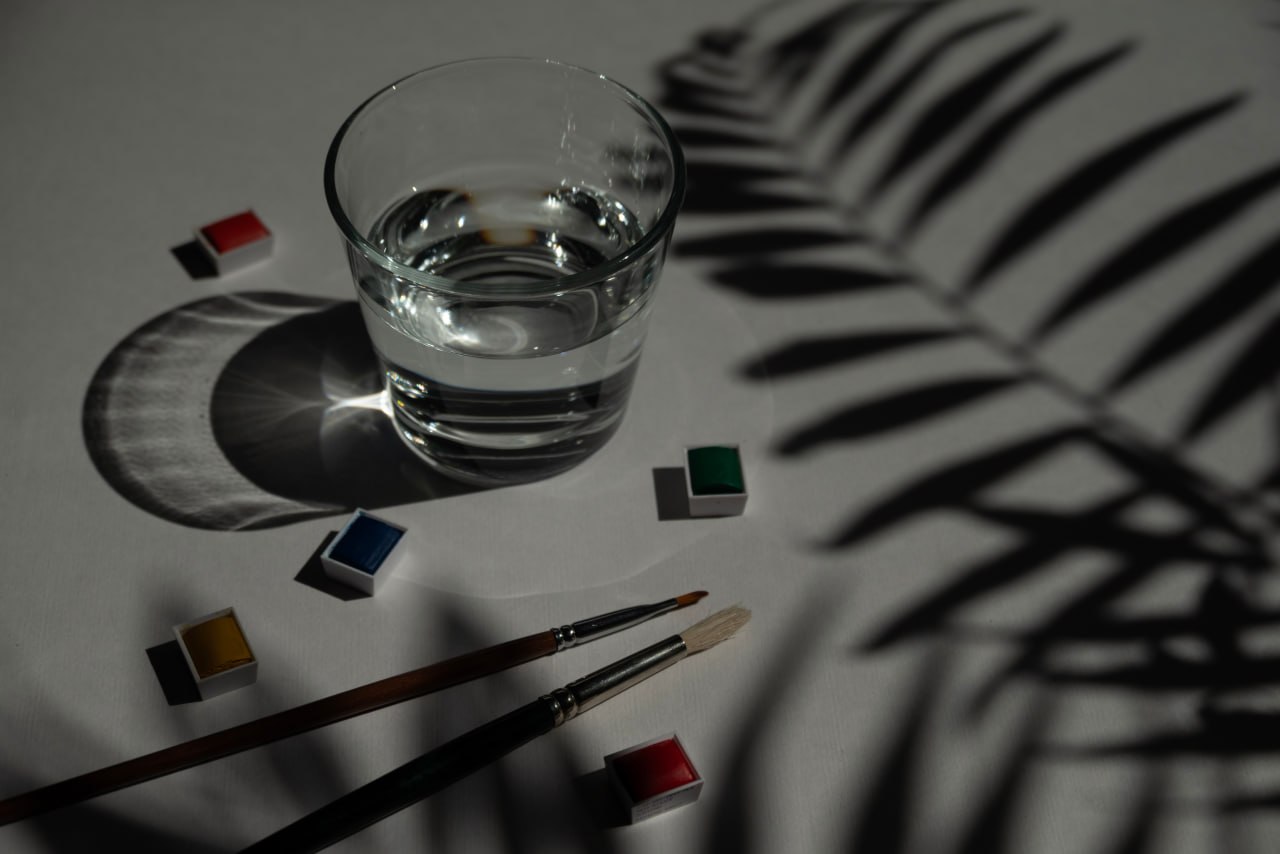
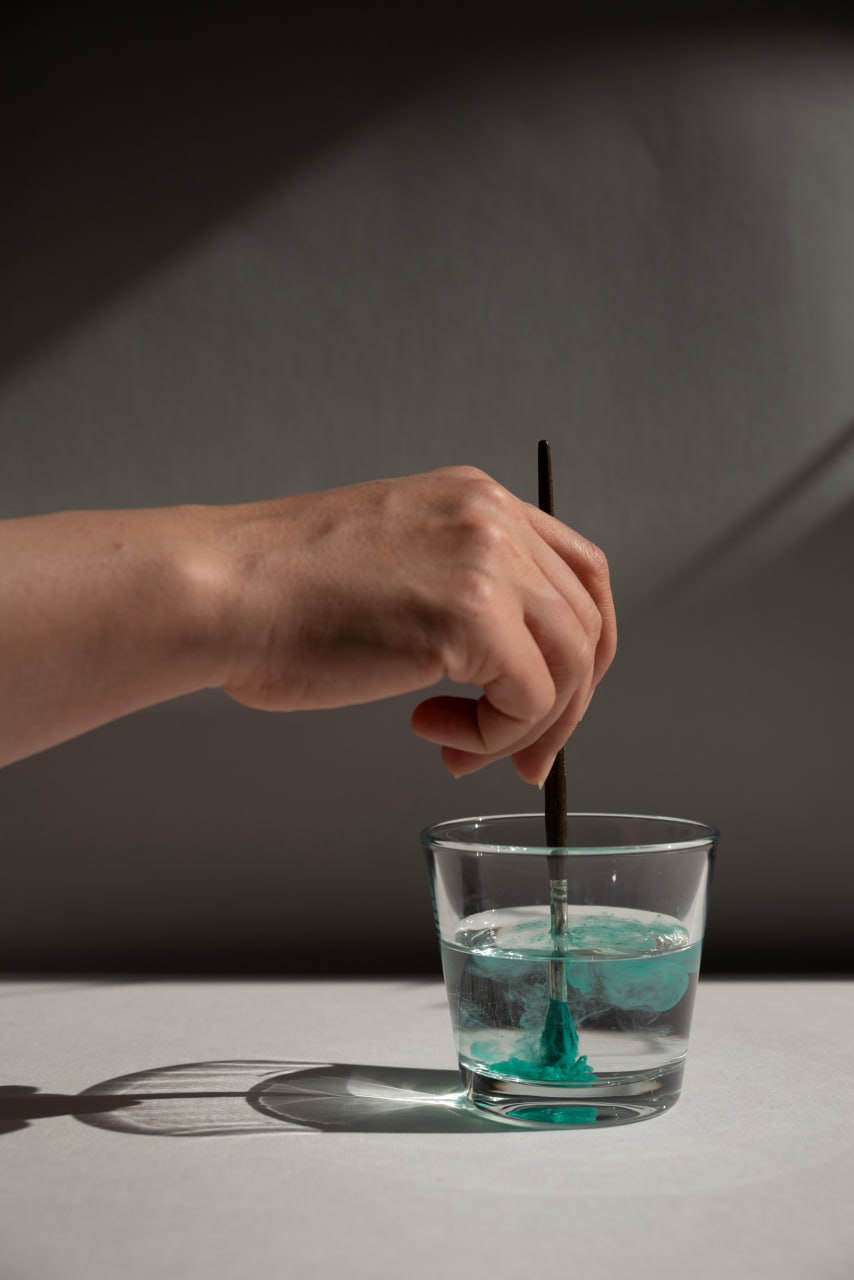
When words fall silent, images begin to speak.
What is Art Therapy?
Art therapy is a creative approach within psychotherapy that goes beyond the limits of language and brings inner emotions and lived experiences into a tangible, visible form. It allows feelings to be expressed, explored, and processed—even without any artistic skill or prior experience.
Many emotions, memories, and old wounds cannot easily be put into words. In art therapy, the act of creating and engaging with art becomes a way of approaching the unconscious, reflecting hidden experiences, and accessing layers of the psyche that are often difficult to reach through speech alone.
In a world shaped by speed, stress, and constant pressure, modern life gradually distances us from our intuitive and creative dimension. A part of ourselves that was naturally alive in childhood and early life—where imagination, color, form, and feeling flowed freely—is often pushed aside.
Art therapy offers a way to reconnect with this lost dimension.
The world of art resonates with our emotional and intuitive nature and opens a gateway to a visual language we all carry within. The created image—or the creative experience itself—reflects our current psychological and physical state. This reflection becomes a starting point for movement, exploration, and inner growth.
In art therapy, the relationship between therapist and client unfolds as a shared process of play, discovery, and decoding. There are moments of pausing, observing together, and encountering something new—unexpected, yet strangely familiar. Through this encounter with images, recurring patterns become visible and new possibilities for change emerge.
Art therapy creates space to revive this often-overlooked part of our being—especially in a culture that values logic, performance, and productivity above all else.
You may have previous experience with talk therapy or found other approaches helpful. Art therapy can function as a complementary method or, for some, a meaningful alternative—particularly for those who find it difficult to express emotions through words alone.
Here, the focus is not only on conversation. While dialogue remains an important part of the process, creative experience and nonverbal expression play a central role.
Often, before the mind begins to analyze, images and created forms spontaneously reveal clues to the roots of an issue or possible paths toward resolution. A large part of our psychological resources lies within the unconscious. Colors and forms have a direct impact on the psyche—an effect that can reach even the physiological level, activating the body’s and mind’s self-healing capacities.
Art therapy engages both mind and body simultaneously, connecting the individual to a constructive inner force that bridges the psychological and the physical. Ultimately, this process supports each person in rediscovering their authentic and individual self—a self that, in its ideal state, guides harmony between soul, psyche, and body.
Art as a Bridge Between the Inner and Outer World
The artwork is neither judged nor evaluated.
The goal is not beauty, but the honest expression of inner experience.
What appears on the paper reflects the individual’s present inner state and carries a healing quality in itself. The image, as a “third element,” deepens the therapeutic relationship and helps reveal emotions, thoughts, and meanings that often remain hidden in verbal communication.
How Does It Work?
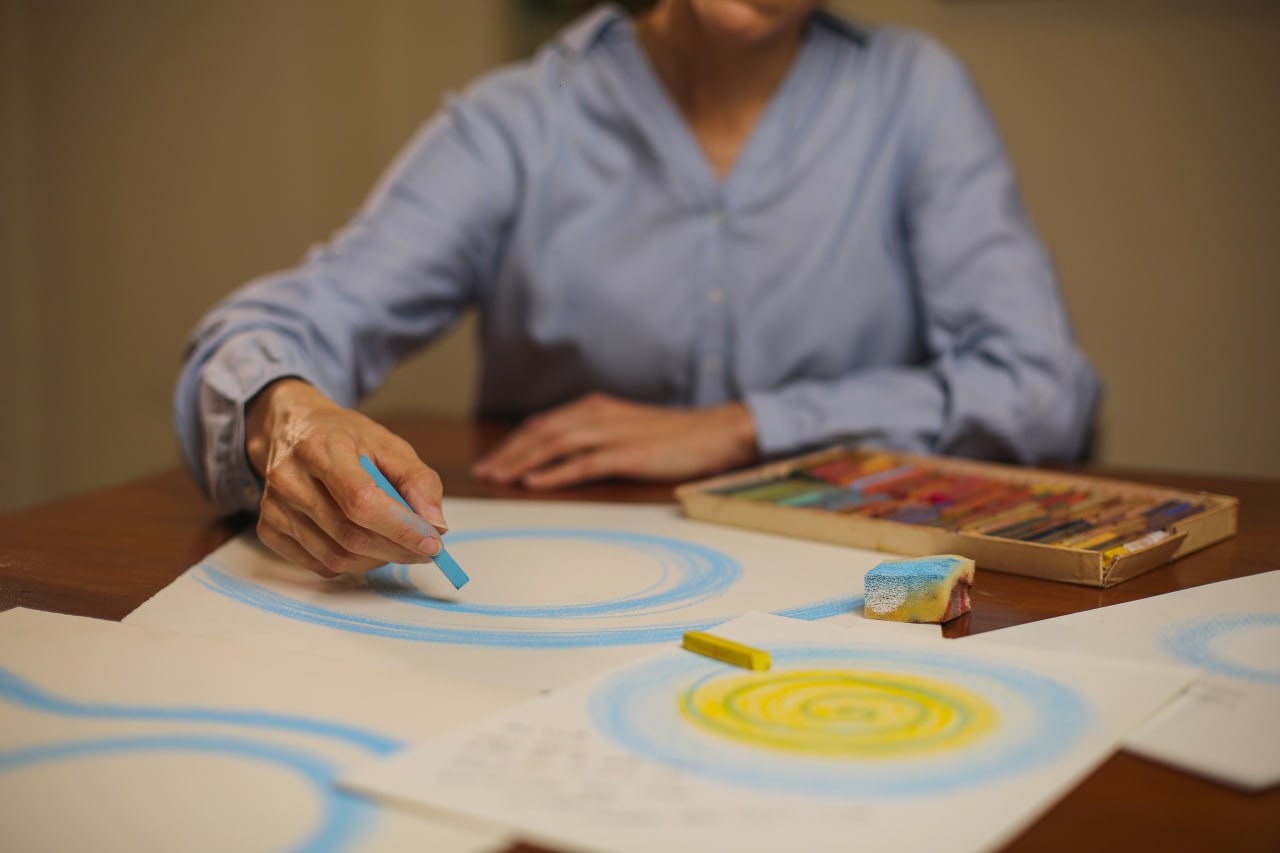
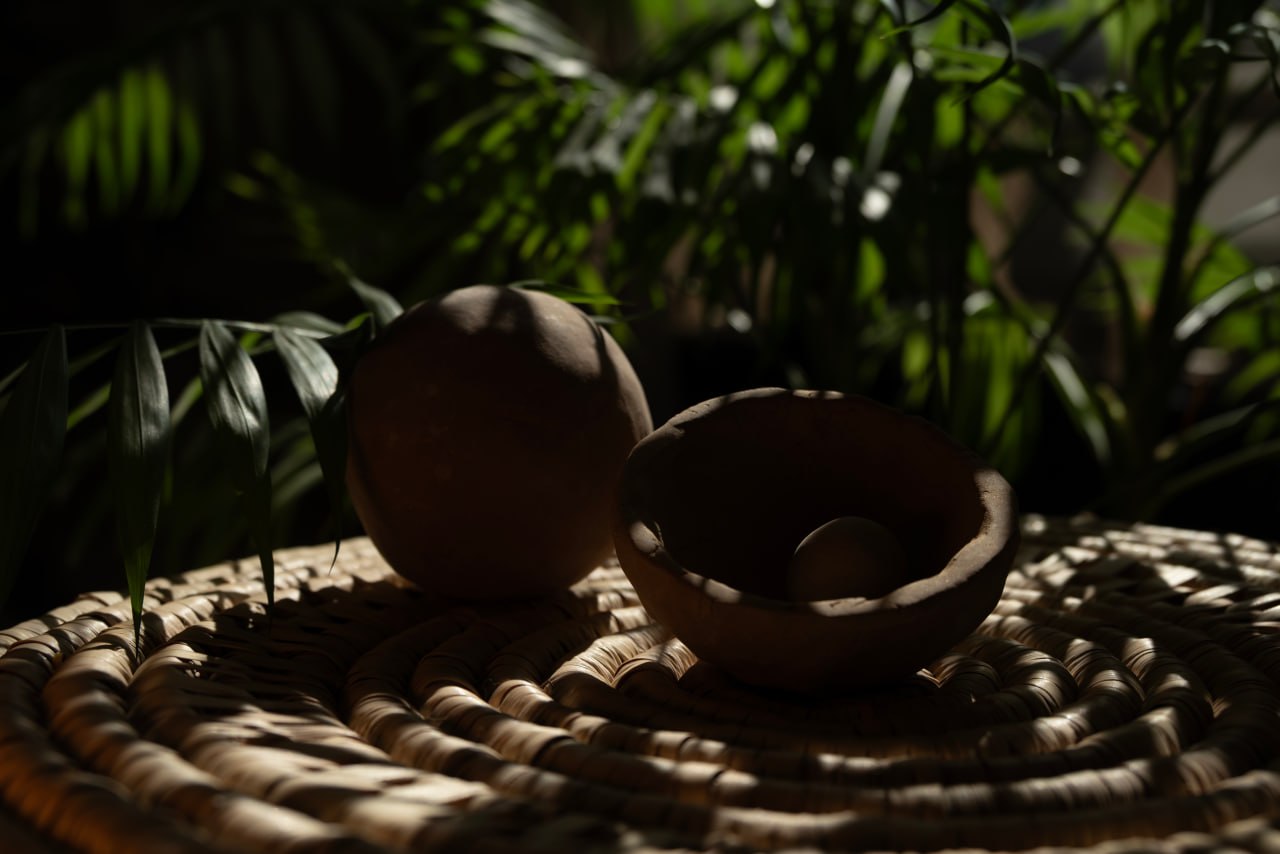
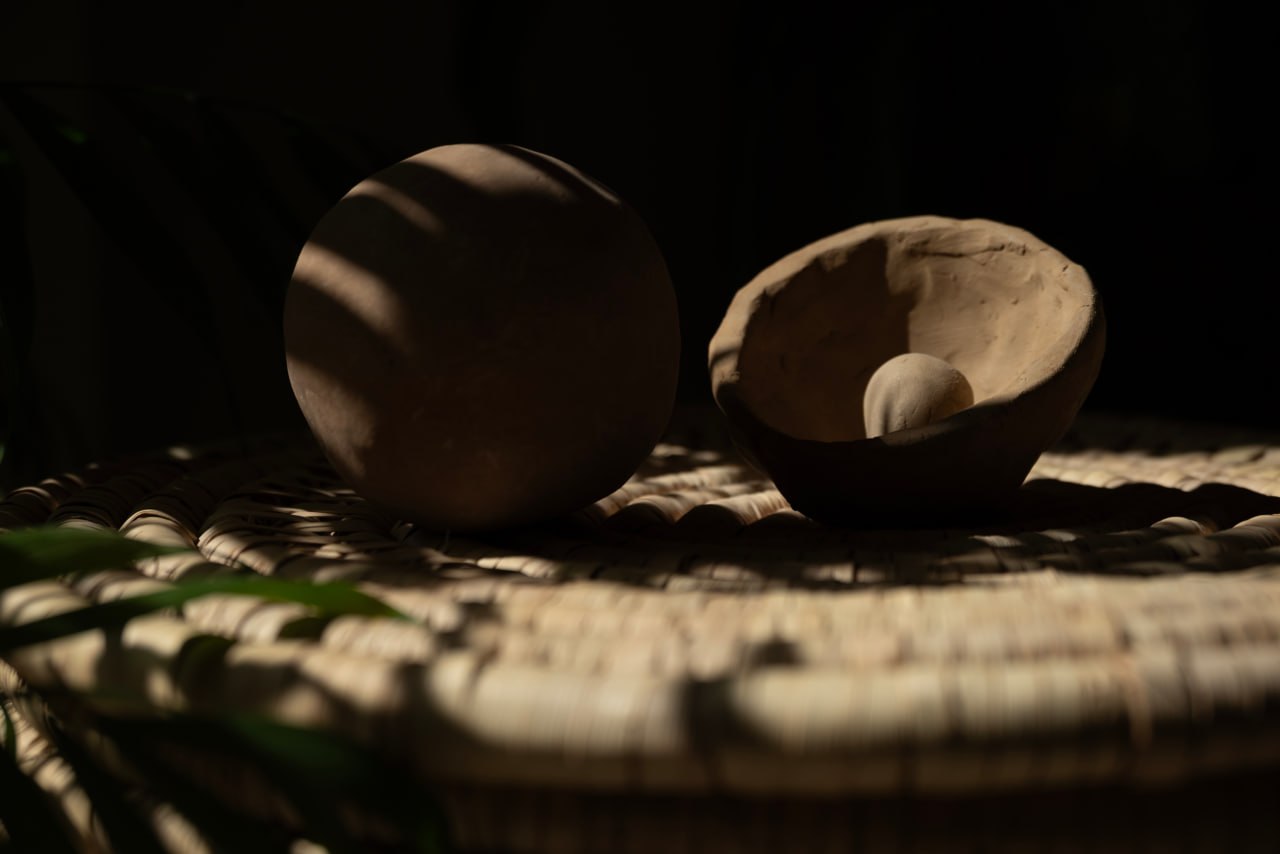
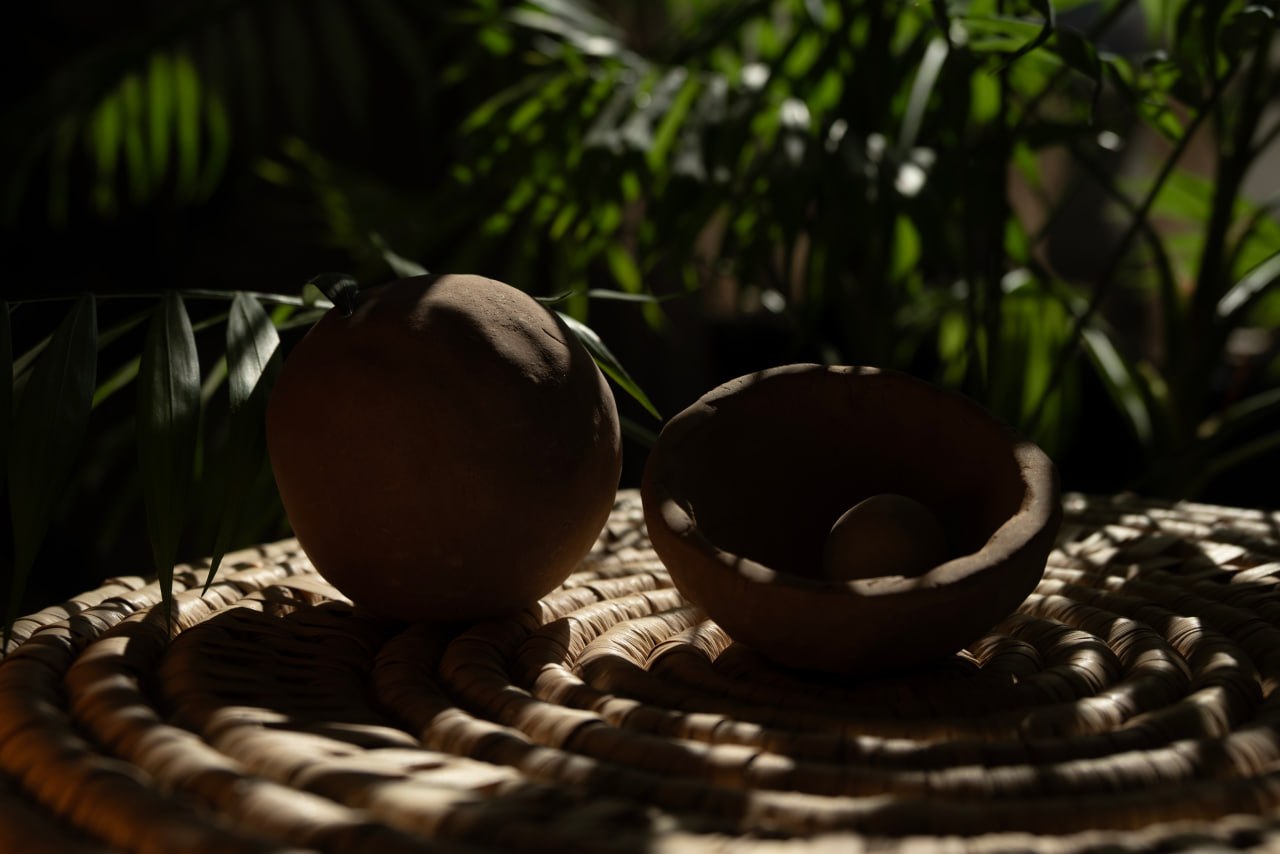
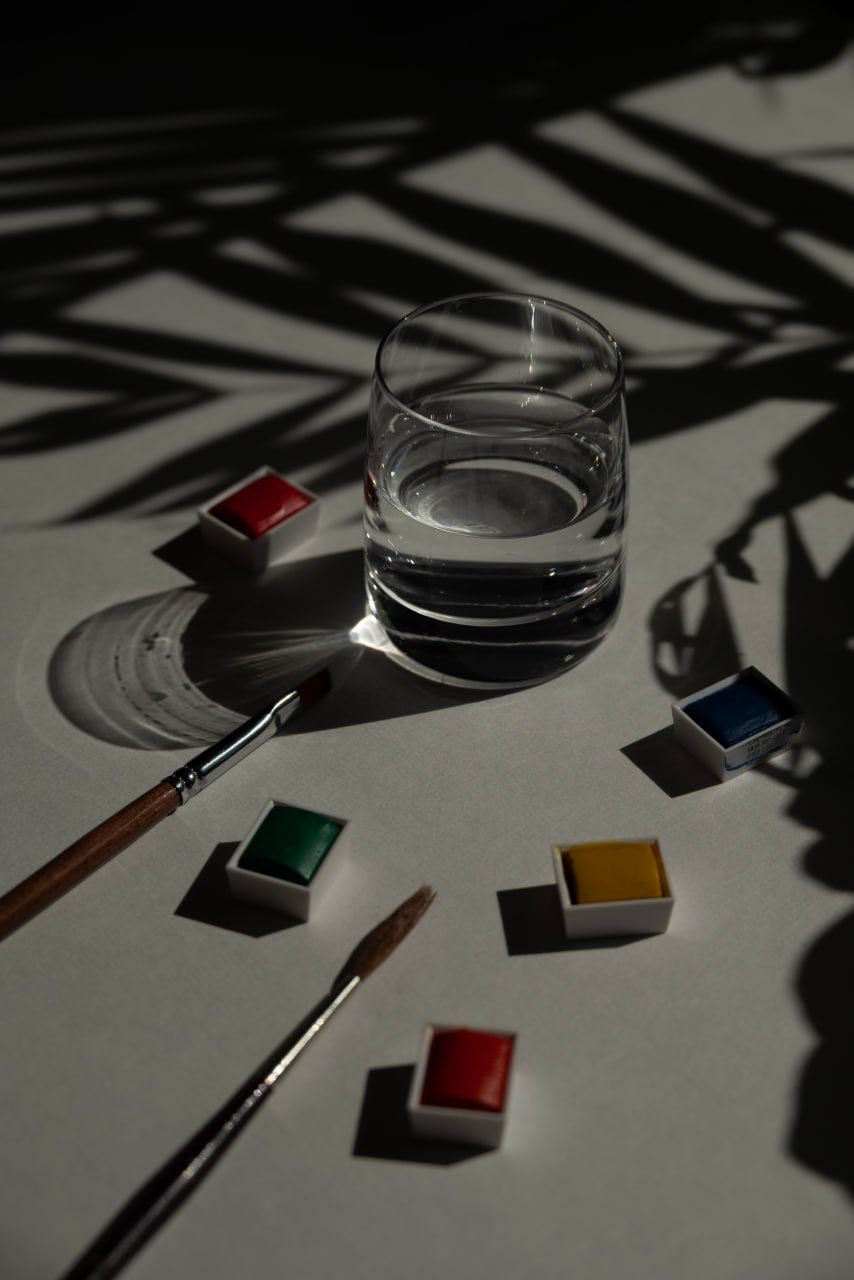
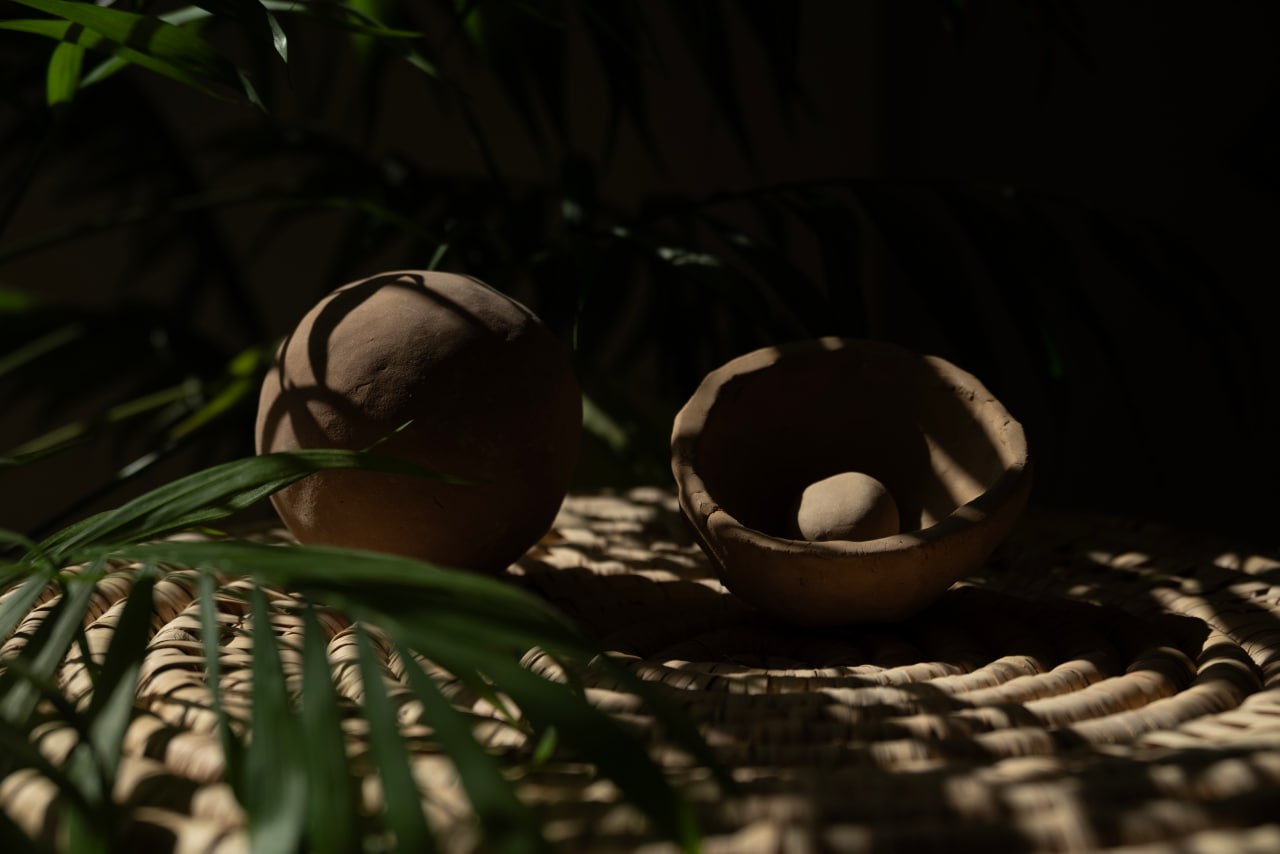
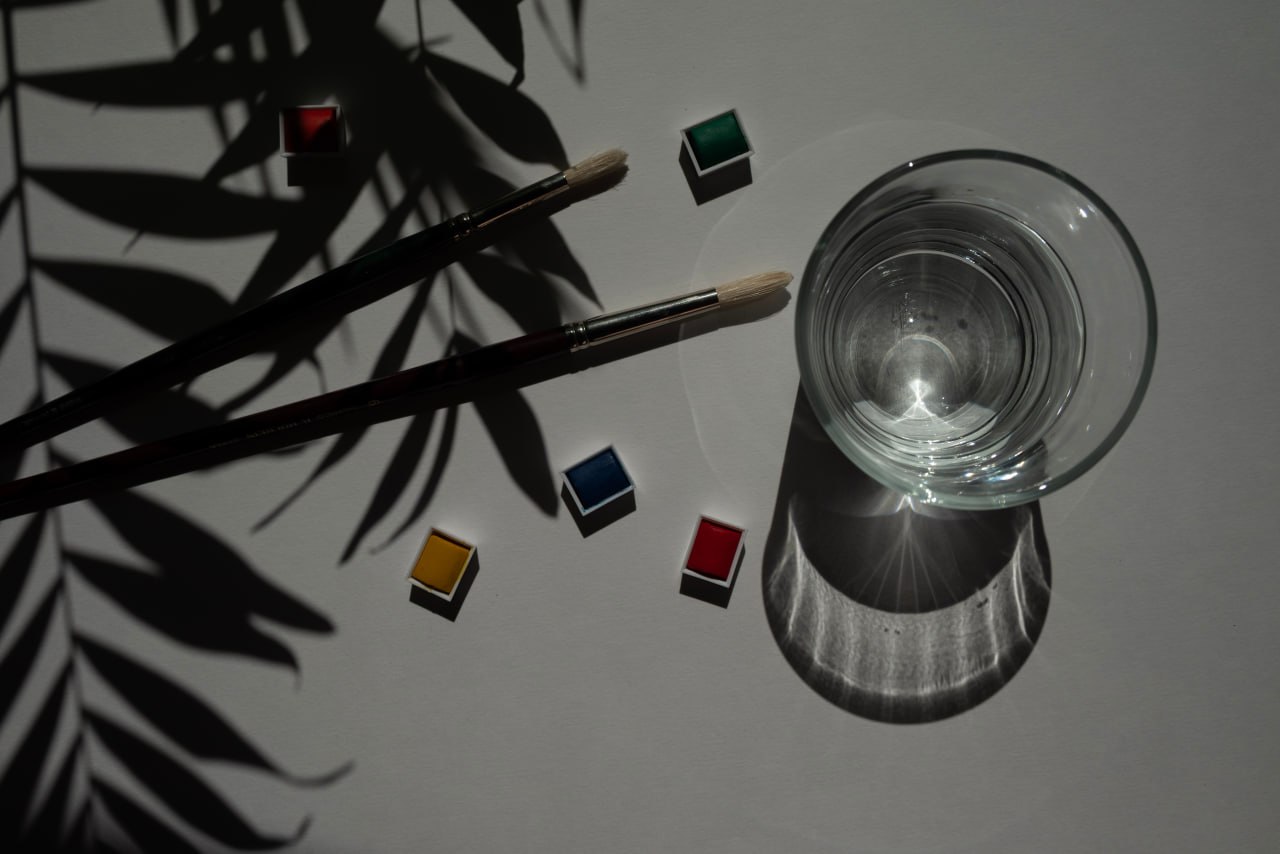
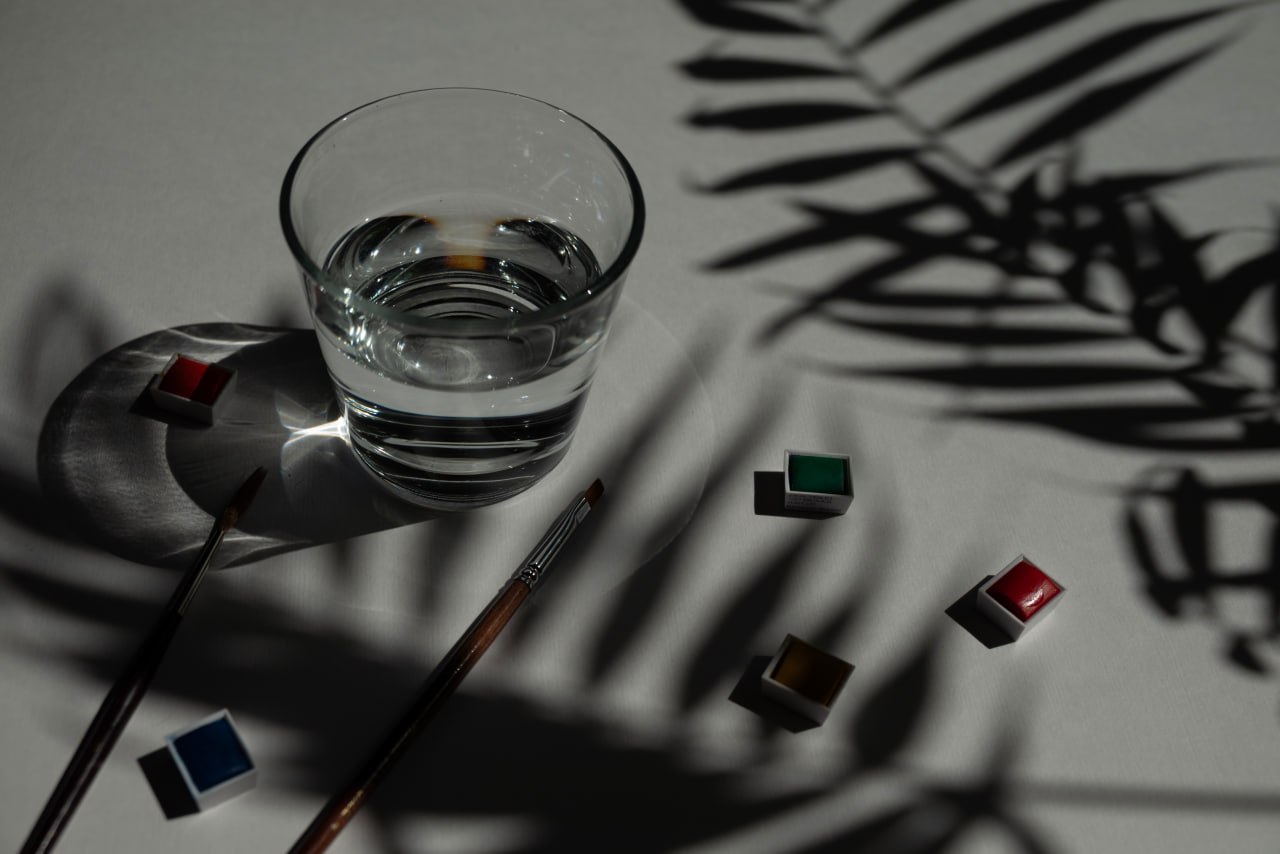
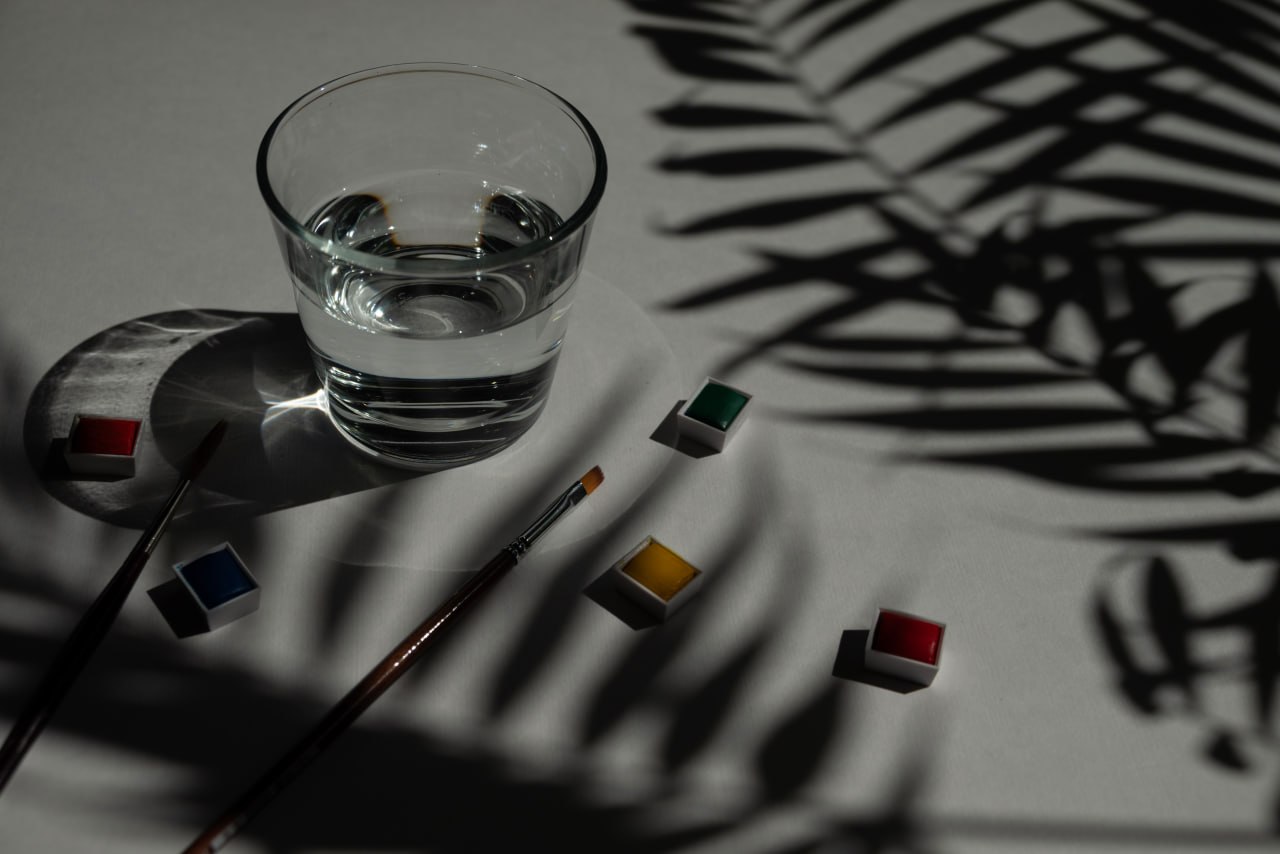
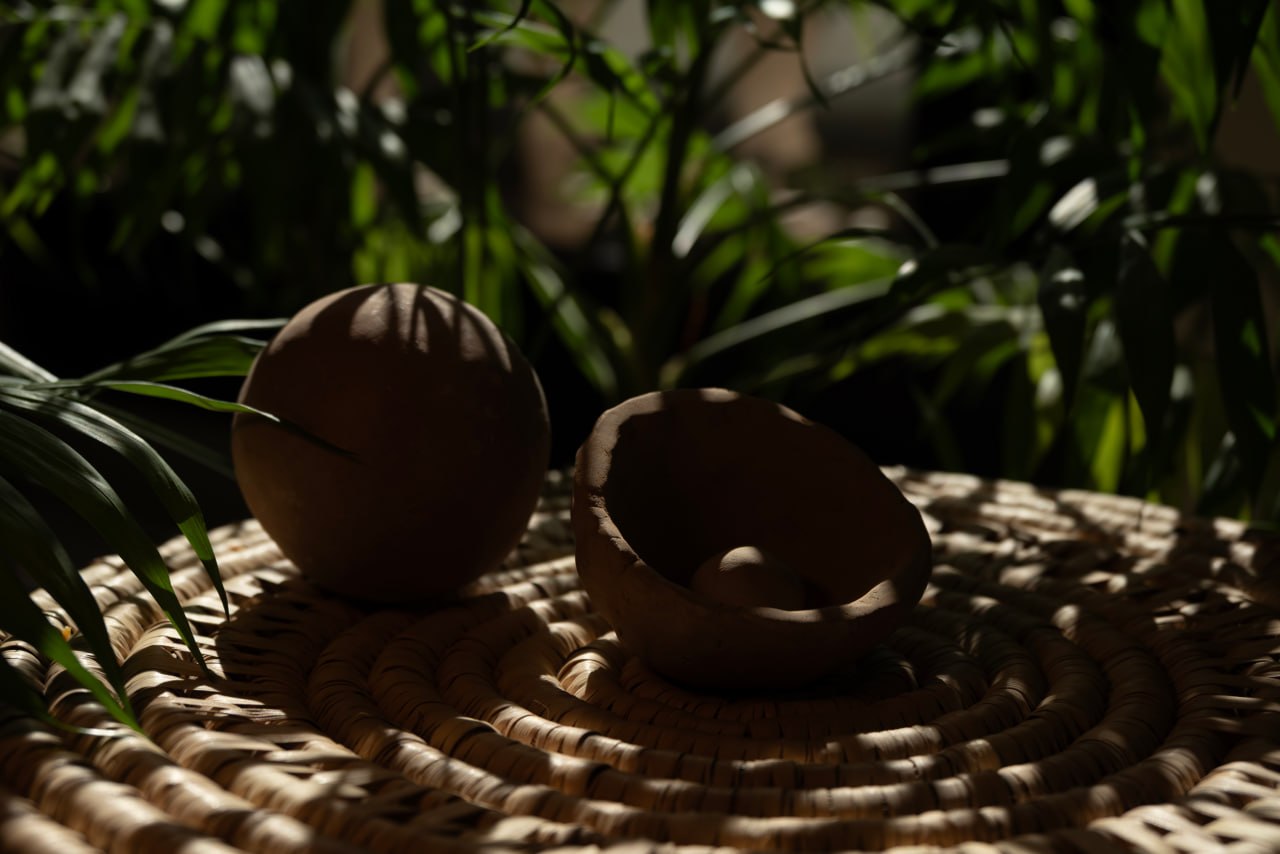
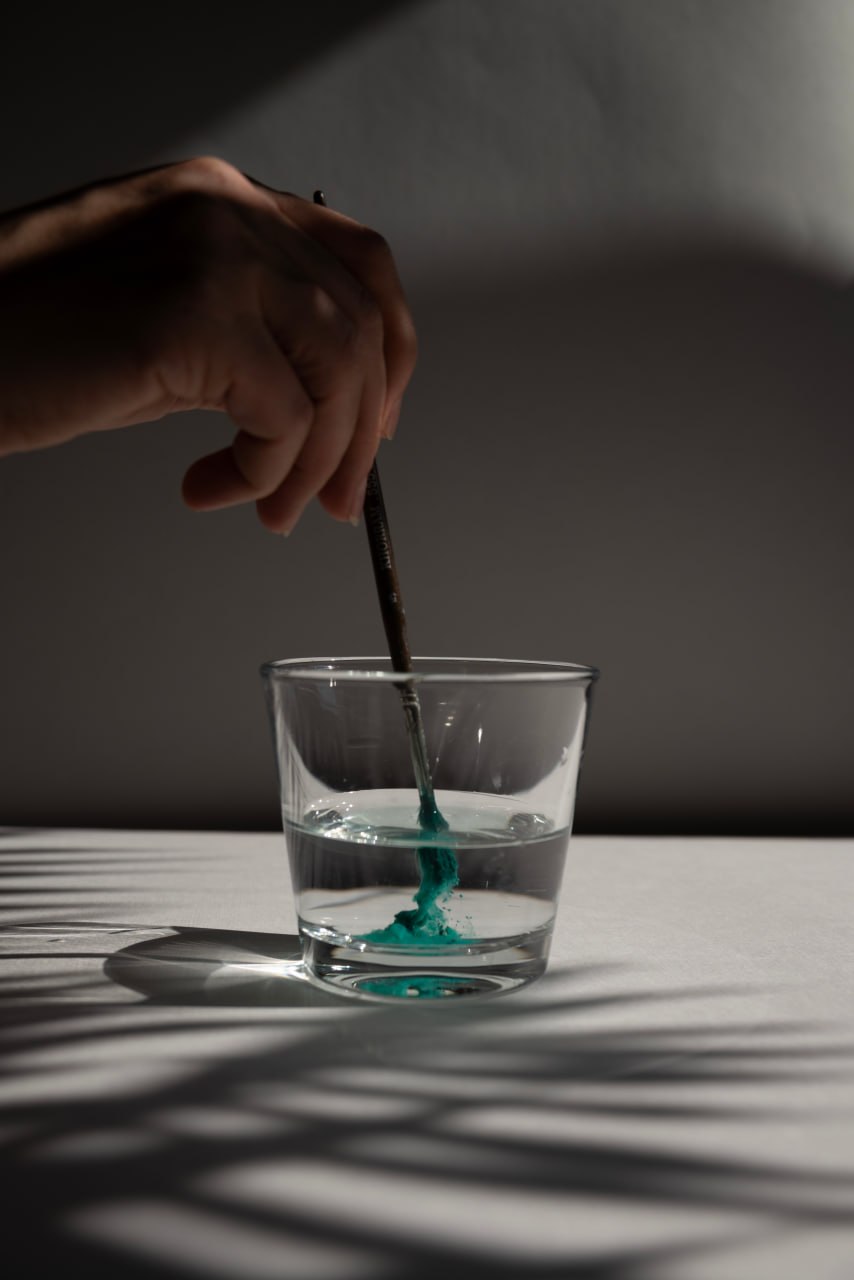
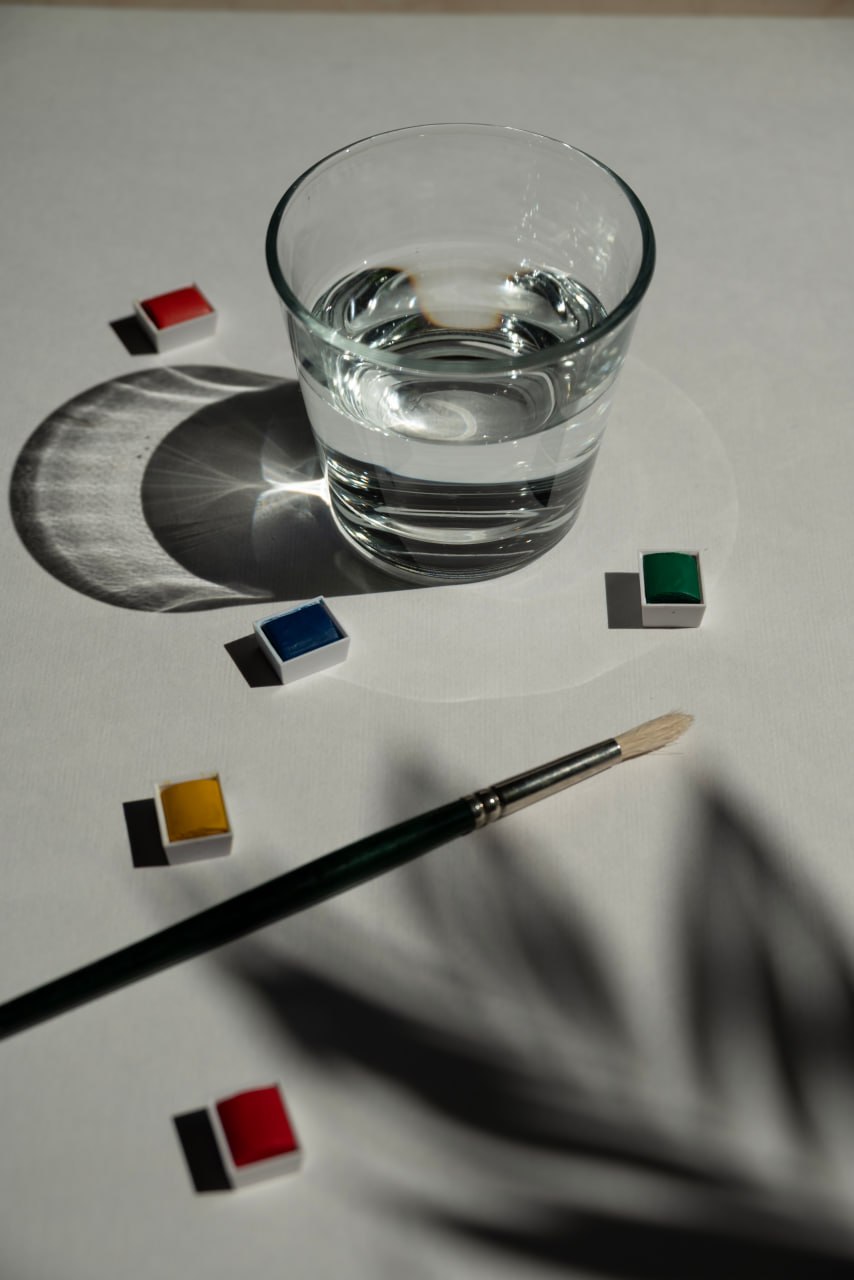
In art therapy sessions, individuals work with colors, shapes, and materials such as clay—allowing emotions to be expressed in a spontaneous and sensory way.
Within a safe and supportive space, past experiences, unresolved feelings, and inner tensions can emerge without the need for words and become accessible for exploration. This process supports emotional transformation, the release of psychological pressure, and the development of new insights.
Who Is Art Therapy For?
Art therapy is suitable for everyone—regardless of age, artistic ability, or prior experience.
Each person carries an innate capacity to create and express their inner world; all that is needed is the willingness to let images speak.
Benefits of Art Therapy
Ultimately, art therapy brings us closer to the core of our being.
Emotions, fears, dreams, and imagination are not only acknowledged—they are experienced with all the senses.
This creative journey becomes a path of return to oneself, release, and a clearer, more conscious way of seeing life.